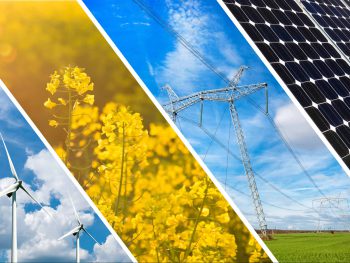
 Supporting decision making under uncertainty The need to account for uncertainty when making decisions is at the core of systems analysis, be it for decisions around crop allocation or the choice of technologies in the energy and water industries. Decisions supported...
 Enhancing resilience to systemic risk The chance that the collapse of one institution leads to the collapse of an entire system is known as systemic risk. IIASA researchers investigated this emergent phenomenon in networks and suggested approaches to its management....
 Serious gaming for risk communication and engagement IIASA researchers develop and carry out serious games and simulations around the world to engage policymakers, businesses, communities, academics, and others in exploring the challenges of reducing disaster risk,...
 Breaking out of technological lock-in Policy and technological innovation for managing risks from poor water quality may be entering a phase of profound transformation brought about by the conjunction of two good ideas: resource recovery from waste flows of water and...
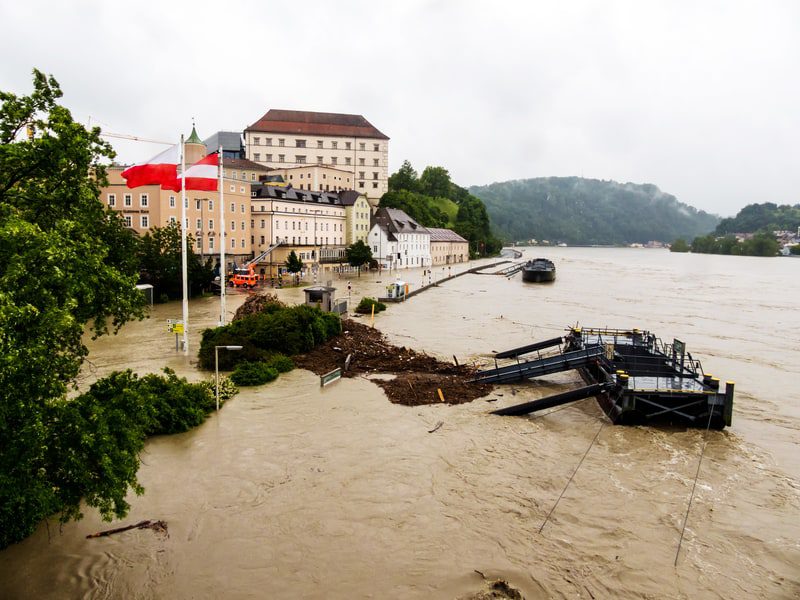 Mainstreaming extreme risk into fiscal and budgetary planning Climate change is having a visible impact on biological, physical, and human systems and this trend will likely continue into the future. Longer-term fiscal assessments will be crucial for public...
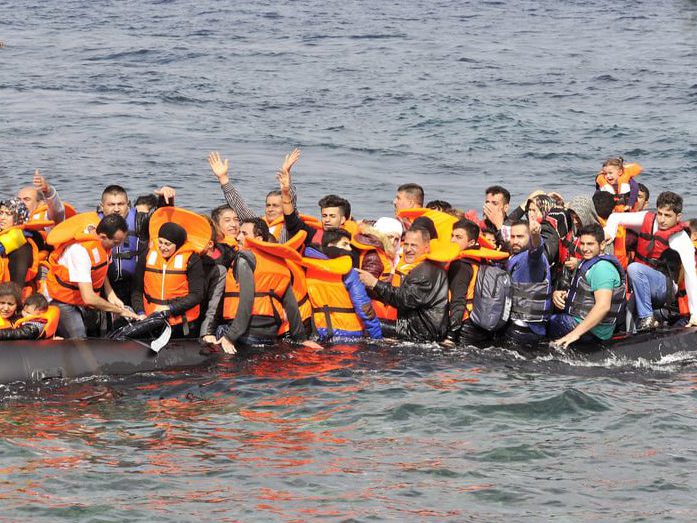 Forecasting world population and migration When fertility levels are low, as is currently the case in Europe, international migration becomes the main factor influencing population growth. However, research shows that in terms of economic consequences, the size of the...